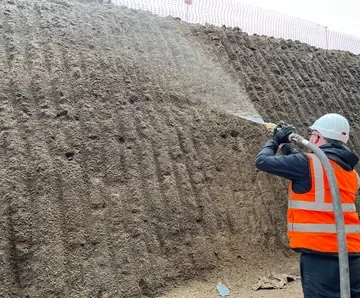
Hydroseeding vs Hydromulching: With Neutral Mulch for a Natural Look
Hydroseeding and hydromulching deliver fast grass growth and erosion control, but neutral mulch avoids bold green hues for a subtler finish. Neutral mulch, like uncolored wood fibers or cellulose, keeps its natural beige or brown tone and fades gradually without dyes. These options suit projects prioritizing aesthetics, such as urban areas or gardens.
Neutral Mulch in Hydromulching
Hydromulching with neutral mulch adds fibers to the seed slurry without colorants, creating a light, reflective layer that retains moisture and cools soil. Products like NATURAMULCH Topsoil, NATURAMULCH Barren Soils or HYDROMULCH HM-EC are pH-neutral, biodegradable, and ideal for sensitive soils. They skip the typical green tint, letting sites look naturally integrated right away.
Benefits of Neutral Color
Subtle: Blends seamlessly with surroundings, perfect for temporary or permanent use.
Eco-friendly: No dyes mean fewer chemicals; mulch breaks down cleanly.
Performance edge: Light color reflects sunlight, cuts evaporation, and boosts germination on slopes.
Neutral vs Colored Variants
| Aspect | Neutral Mulch | Colored Mulch (Green) |
|---|---|---|
| Color | Natural beige/brown | Instant green for visibility |
| Application | Aesthetic, urban sites | Temporary marking on job sites |
| Environment | No dyes, fully biodegradable, soil-safe | Contains colorants, slower breakdown |
| Fade Time | Quickly unobtrusive | Color fades over time |
| Cost | Often comparable | Slightly higher due to dye |
Practical Applications
Apply neutral hydromulching on embankments, verges, or retention basins needing erosion protection without color clash. Pair with hydroseeding for flat lawns and add tackifiers for adhesion. Outcome: faster growth, less upkeep, and smooth landscape blending